
WordPress website development for public-sector bodies
We build WordPress websites that your staff can easily update themselves, while we take care of security, speed and integrations.















Why public-sector bodies choose WordPress
WordPress’s popularity in the public sector is not a fashion — it is a pragmatic choice for several reasons:
- open source — you are not tied to one supplier and can change service provider at any time
- a large network of specialists — there are thousands of WordPress developers, so help is easy to find
- simple content management — staff without technical knowledge can edit text, upload photos and publish news
- extensibility — from a simple page to a system with registrations, calculators or integrations
- a large plugin ecosystem — ready-made solutions already exist for most needs
- SEO-friendly — the WordPress structure naturally meets search engine requirements
Most importantly, WordPress lets you start with a simple solution and extend it in stages as real needs arise. There is no need to invest in a complex system straight away.
WordPress versus the alternatives — when to choose what
WordPress is not the only option. Here is how it compares with other platforms:
WordPress vs. Wix /?taxonomy=service-type&term=skaitmeniniu-irankiu-kurimas Squarespace — these platforms are simpler at the start but limit what you can do. You cannot move the website elsewhere or fully control the code. For the public sector this is a risk — dependence on the platform.
WordPress vs. custom development — a fully custom solution is more flexible but costs several times more and requires a permanent developer. WordPress with customisations gives 90% of the same freedom at a lower price.
WordPress vs. Drupal — Drupal is more powerful for large organisations but harder to manage. For small and medium-sized organisations WordPress is simpler and cheaper to maintain.
When WordPress is NOT the right fit — if you need a very specific system (e.g. patient registers, complex logistics), it is better to build a custom solution or use a specialised platform. WordPress is excellent as a website, but it is not a universal system for everything.
What a public-sector WordPress website is made of
A typical WordPress website for a public body has several layers:
Foundation — the WordPress core, hosting, SSL certificate and domain configuration. This is the technical infrastructure that needs maintaining.
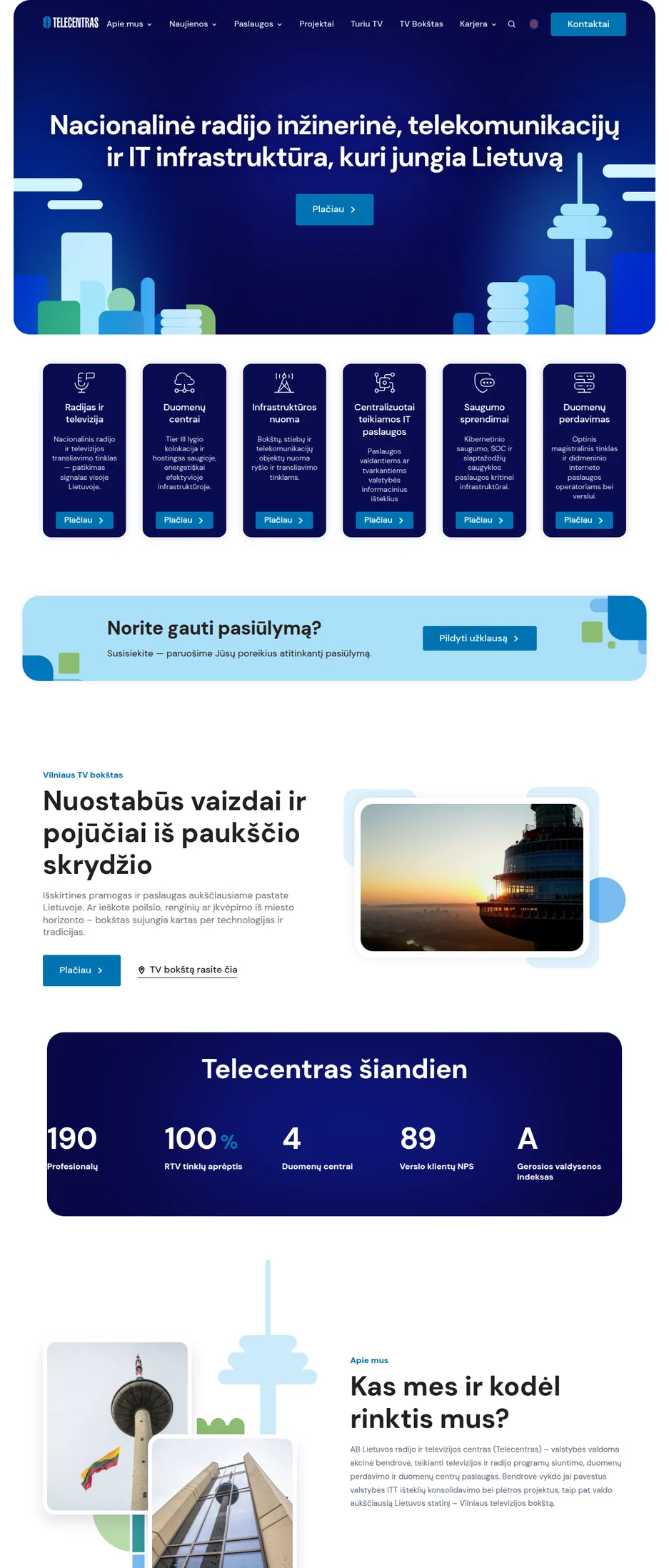
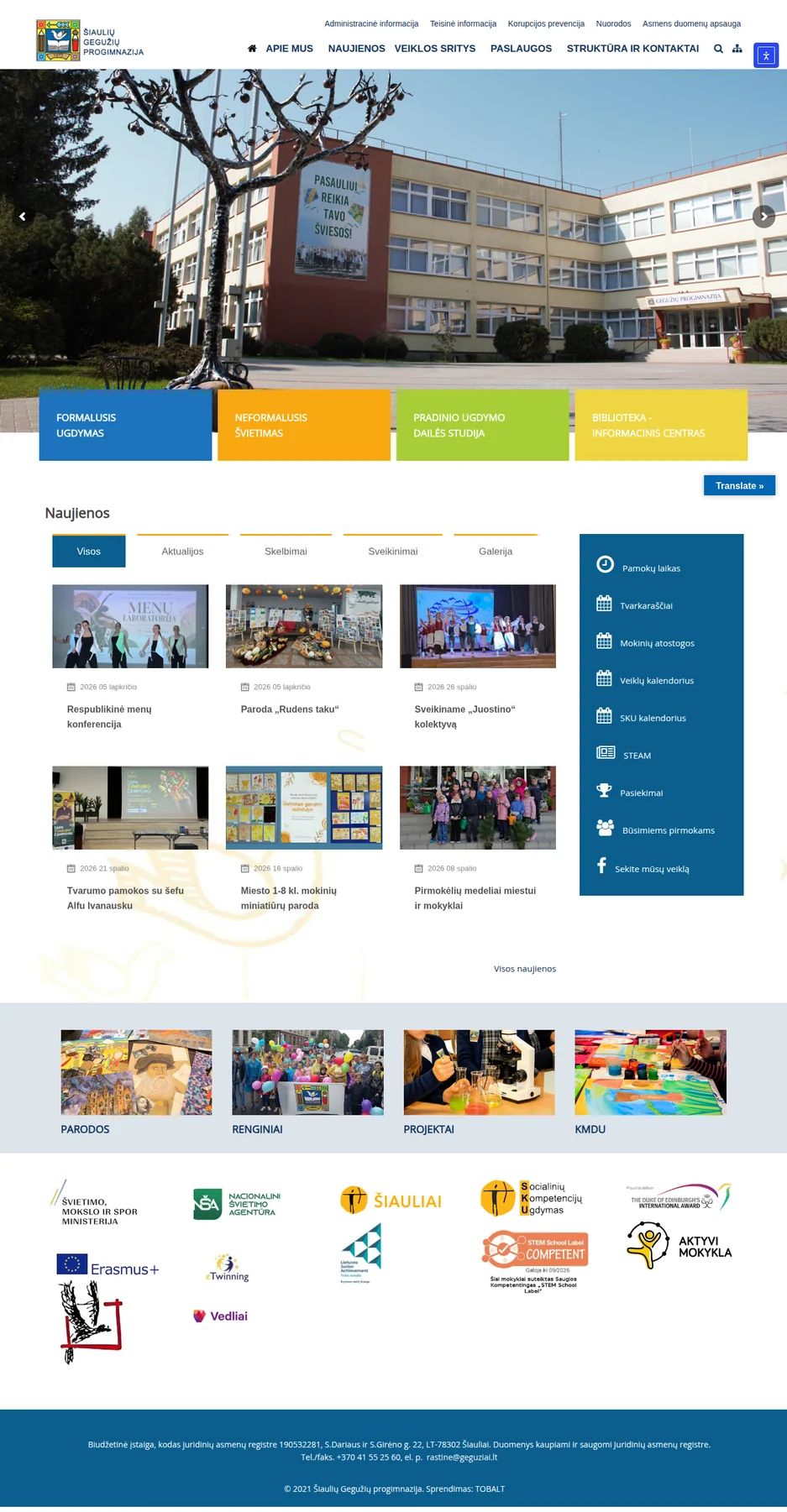
Theme and design — the visual part of the website. You can use a ready-made theme or create a custom design. For the public sector it is important that the theme meets accessibility (WCAG) requirements.
Content management — the WordPress editor, which staff use to create and edit pages, news and documents. Simple and intuitive.
Plugins — SEO, form building, security tools, multilingual support, accessibility. There are thousands of plugins in the WordPress ecosystem.
Custom modules — registration forms, calculators, integrations with external systems — whatever standard plugins do not cover.
What to look for when choosing a WordPress supplier
Not all WordPress developers work the same way. When choosing a supplier for a public-sector website, it is worth checking:
- whether the supplier has experience with public-sector projects — do they understand GDPR, accessibility and public procurement?
- whether you can move the website to another supplier — will you receive all the code, access details and documentation?
- whether standard WordPress practices are used — is the code maintained to WordPress standards, or is it a “black box”?
- whether training is included — will your staff be able to manage the website after launch?
- whether support is clear — who will be responsible for updates, security and technical support after launch?
The lowest price does not always mean the best solution. It matters more that the supplier understands the public-sector context.
What value a WordPress website creates for an organisation
A properly built WordPress website delivers concrete results for a public body:
- independence from the supplier — you can change service provider at any time, because the code is yours
- easy content management — staff update information themselves, no developer needed
- extensibility — when new needs arise, the website grows with them
- lower long-term costs — no licence fees, a large market of specialists, competitive support prices
- better visibility on Google — the WordPress structure is naturally search-engine friendly
WordPress is not a perfect platform — but in the public-sector context it is usually the optimal balance between capability, cost and independence.
The WordPress foundation is search-engine friendly, but results depend on content and structure – read more on our SEO services page.
How a WordPress website is built
Needs and structure
We define the website's goals and the pages and functions it needs. We draw up a clear structure map tailored to your organisation's work.
Design and development
We create the visual design and code the WordPress website with the required plugins and custom modules.
Launch and training
We launch the website, migrate the content and train staff to manage the website content independently.
Planning a new website or updating your current one?
We can help you assess whether WordPress suits your situation and propose the optimal solution. The initial conversation is free.
- The price is fixed in the contract, we agree the timeline after the first call
WordPress websites for institutions
Specific WordPress features for the public sector — multilingual support, document management, e-services.UX/UI design for institutions
WordPress website design focused on the needs of public-sector visitors.Website accessibility for people with disabilities
Making WordPress websites accessible to the WCAG 2.1 AA standard.Website maintenance
Updates to the WordPress core, plugins and themes, plus security monitoring.
Frequently asked questions
Answers to the most common questions about WordPress website development for public-sector bodies.
Is WordPress secure enough for a public-sector website?
Yes, if it is properly configured and maintained. The WordPress core is regularly updated with security patches. Most security incidents happen because of outdated plugins or weak passwords — which proper support addresses. For public-sector websites we also recommend a WAF (web application firewall) and regular audits.
How much does a WordPress website cost?
It depends on the scope. An information website with 10-20 pages is one price category. A website with registrations, forms, integrations and custom logic is another. The advantage of WordPress is that the platform itself is free — you pay only for development, hosting and support. We give an exact price after discussing your needs.
Will we be able to manage the website content ourselves?
Yes, this is one of the main advantages of WordPress. After launch we train your staff to change text, upload photos, publish news and manage pages. No technical knowledge is needed — the WordPress editor is designed precisely for non-technical users.
What happens if we want to change supplier?
All the code, design and content belong to you. We hand over all access details (FTP, database, admin dashboard) and documentation. A new supplier will not have to start from scratch — they can take over the existing website and carry on.
Is WordPress suitable for a large website with a lot of content?
Yes. WordPress is used by NASA, the White House, many universities and large organisations. With the right hosting and optimisation, WordPress runs perfectly well with thousands of pages. What matters is not the platform's limits but how it is configured.